
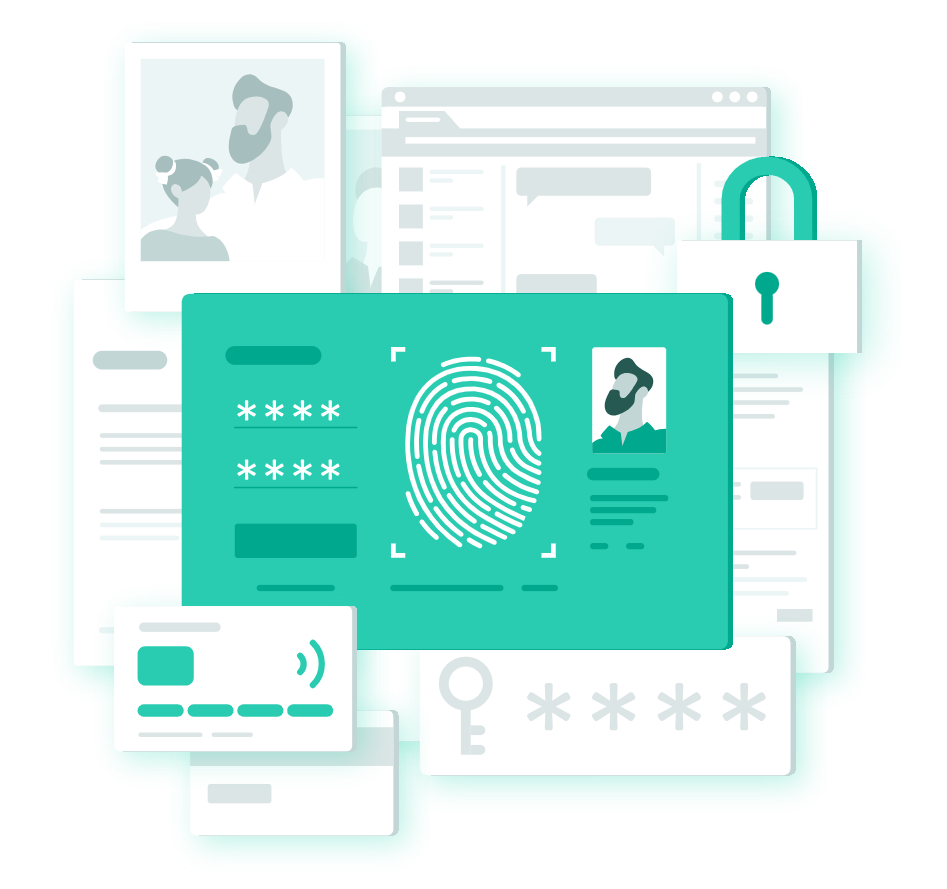
As smart devices with artificial intelligence (AI) tools and always-on services become part of everyday life, the cybersecurity habits many people formed a few years ago may no longer be enough. From AI-powered scams to social media trends that encourage users to upload personal details, the way people interact online is changing quickly. Ensuring that you stay secure now requires small, deliberate actions in your daily digital behaviour. Experts from Kaspersky share the following advice to stay safe online.
1. Be cautious with verification requests
Many scams now mimic legitimate verification processes, asking users to confirm accounts, update payment details, or approve login attempts. Because people are used to frequent security prompts, it is easy to respond automatically. Pause before sharing verification codes or personal information and independently verify requests through official websites or by contacting service providers directly.
2. Cultivate healthy AI usage habits
AI agents, chatbots, and multimedia-generating apps can be convenient and entertaining, but uploading high-resolution photos or personal information carries privacy implications. Facial images can function as biometric identifiers, and once shared with an online service, be it AI or a social network, control over how that data is stored or reused may be limited. Before using AI tools, review privacy policies, minimise the personal information they provide, and avoid uploading sensitive documents or confidential content.
3. Do your homework on AI
For parents, the rise of AI assistants introduces another dimension. While AI tools can help in making education interactive and gamified, children may turn to AI tools for homework support or entertainment without fully understanding how their data is used or how to evaluate responses critically. Open conversations about responsible AI use, privacy awareness, and the importance of not oversharing personal information can help children build safe digital habits from an early age.
4. Audit your online subscriptions
Reducing digital exposure is another simple but often overlooked step. Over time, unused subscriptions, dormant accounts, and forgotten apps accumulate personal data and payment details. Regularly reviewing subscriptions, deleting unused accounts, and checking which apps have access to personal information can significantly reduce risks of this data being leaked.
5. Secure your devices and home
Device longevity and smart home security also play an important role. Older devices that no longer receive security updates may contain unpatched vulnerabilities. Ensure that smartphones, laptops, routers, and smart home devices are running the latest firmware and are protected with strong passwords and multi-factor authentication. Changing default passwords on connected devices and securing home Wi-Fi networks are essential steps in protecting both personal data and physical spaces.
As technology and AI become more integrated into daily life, security is less about dramatic measures and more about consistent, informed habits.
“Technology evolves quickly, and our online behaviour should keep pace,” says Brandon Muller, Technical Expert for the Middle East and Africa region at Kaspersky. “Take time to review privacy settings, app permissions, and connected third-party services, removing anything that is no longer needed. By being more deliberate about what we share, how we verify requests, and how we manage our devices, we can significantly reduce exposure to modern cyber risks while enjoying all the benefits of new technologies.”








Discussion about this post