

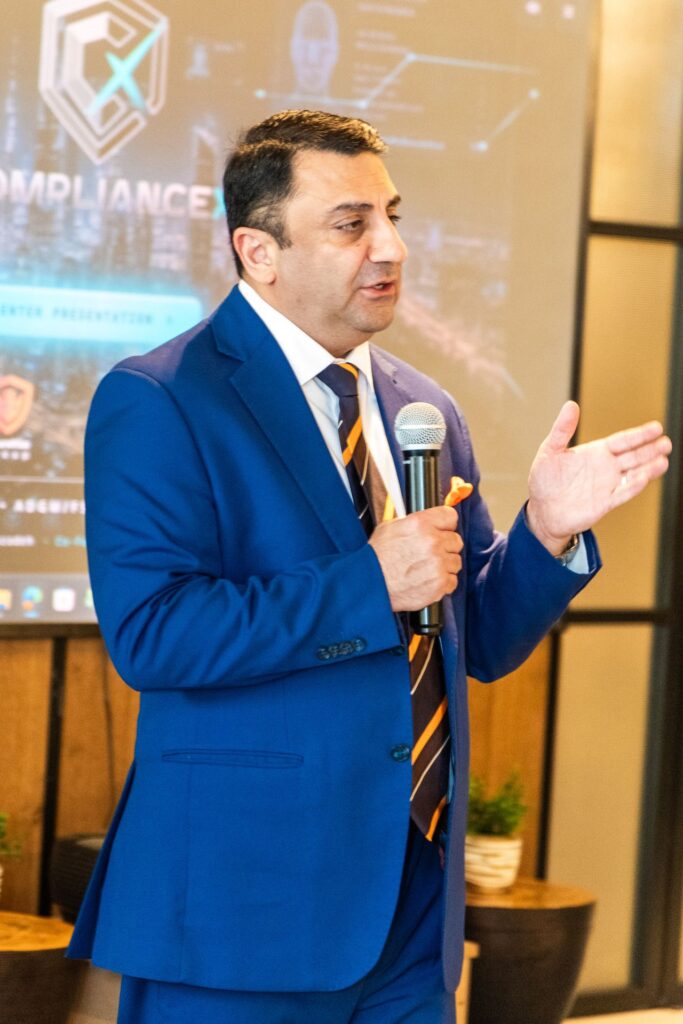
What was the core intention behind organising Beyond Compliance 2026 at this point in time?
Amir A. Kolahzadeh (Amir): Compliance today is no longer about having a documented policy sitting on a shelf. A few years ago, having a manual signed off by a compliance officer was sufficient for regulators. That has completely changed.
Regulators across the UAE are now actively enforcing compliance. If you look at authorities like VARA or SCA, they are conducting inspections, identifying violations, and issuing fines. Market and consumer protection, especially in sectors like crypto and FX, has become a top priority.
This shift means organisations must demonstrate execution, not just documentation. They must show how compliance is implemented in real time, how KYC is conducted, how controls are enforced, and how decisions are made.
This event is centred around that transformation. We introduced Compliance X, a platform that integrates multiple tools required for cybersecurity and regulatory compliance into a single environment.
What are the biggest challenges organisations face in cybersecurity and compliance readiness?
Nadenne Adame (Nadenne): One of the main challenges is a lack of understanding of regulatory requirements. When organisations don’t fully understand what is expected, they tend to opt for the cheapest providers rather than the most competent ones.
There are many compliance service providers in the market, but not all of them have the depth of expertise required. Proving the value of a qualified, experienced team against low-cost alternatives becomes a real challenge.
Amir: Another major issue is that most organisations aim to meet only the minimum regulatory requirements.
In many cases, companies approach us only after facing fines or suffering cybersecurity incidents—sometimes losing millions. Before that, they were technically compliant, but only at a baseline level.
The problem often lies with consultants offering minimal solutions to retain clients. At ITSEC, we take a different approach—we present the full picture, even if it means losing the client. Our priority is ensuring proper compliance, not just onboarding.
How is ITSEC helping organisations address these challenges?
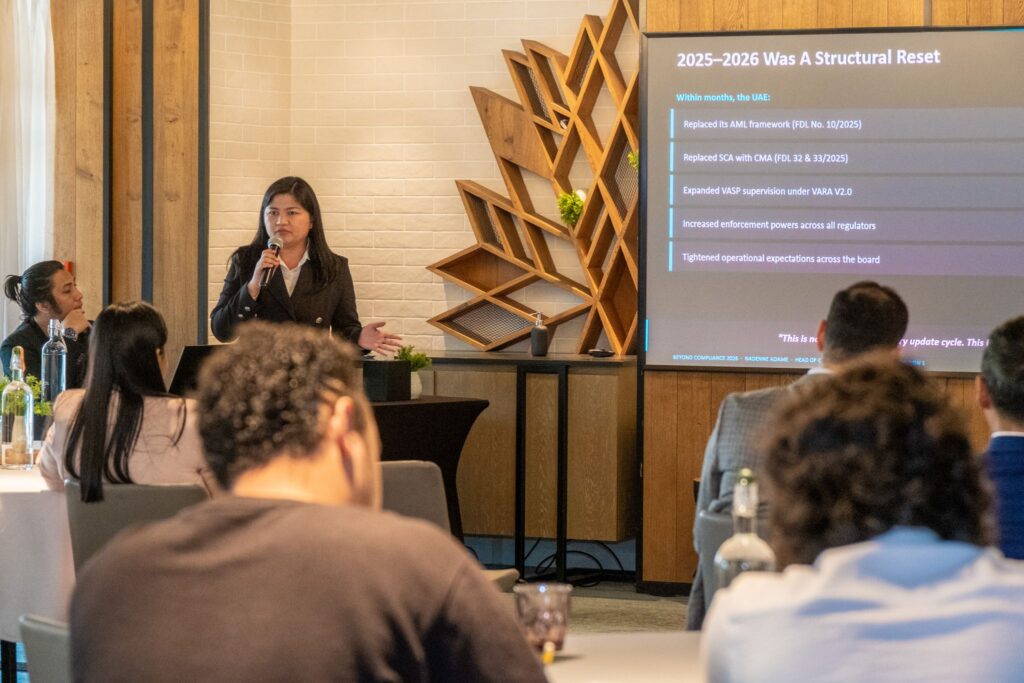
Nadenne: In many regulated entities, especially in the UAE, a single compliance officer is responsible for everything. Managing compliance manually: tracking, reporting, documentation which is extremely time-consuming and inefficient.
That’s where our platform comes in. It consolidates everything into one place, making compliance more manageable and structured. Importantly, the platform is designed not just by developers, but validated by both cybersecurity and compliance experts.
Amir: Our platform is built from real-world cybersecurity and compliance scenarios. It sits on top of an organisation’s existing systems, whether fintech, healthcare, or banking, and continuously monitors them.
It provides a dashboard view showing areas of non-compliance, cybersecurity gaps, and required corrective actions. It doesn’t fix issues automatically, that responsibility remains with the organisation, but it ensures complete visibility and awareness.
Are compliance tools today easy to use, and how important is real-time capability in the current regulatory environment?
Amir: Yes. The platform delivers real-time monitoring and insights. It integrates directly with existing systems via APIs and continuously audits policies and configurations. For example, in a recent case involving a crypto wallet breach, incorrect policies led to a significant loss. With our platform, such misconfigurations would have been identified instantly.
Real-time capability is no longer optional. Regulators now require advanced measures such as KYT (Know Your Transaction), particularly in crypto. Organisations must verify transaction sources, assess risks, and take action instantly—this level of scrutiny cannot be achieved without the right tools.
Nadenne: Regulators are moving beyond documentation and now expect proof of operational effectiveness.
Processes that were once manual—like reporting to financial intelligence units using spreadsheets—are now expected to be fully auditable and instantly retrievable during inspections. Additionally, the UAE operates at a much faster pace compared to other regions, with near real-time transactions. As a result, compliance monitoring must also be real-time to keep up.
What role do AI and automation play in compliance today?
Nadenne: AI and automation significantly reduce manual workloads, especially in areas like policy drafting and reporting. This allows compliance teams to focus more on high-risk areas. However, human oversight remains critical. Accountability cannot be delegated to AI.
Amir: AI enhances customisation and decision support. Previously, compliance frameworks were often templated and generic. AI enables tailored approaches more efficiently.
That said, we do not rely on AI for decision-making. Compliance decisions carry significant risk, and human judgment is essential. AI is used as a support tool, not a replacement.
What message do you want organisations to take away from this event?
Amir: If you operate in a regulated industry, you must act now.
By 2026–2027, organisations without proper compliance tools will struggle to meet regulatory requirements. It is no longer feasible to manage compliance through spreadsheets or manual processes.
Regulators expect full audit trails, decision transparency, and real-time monitoring. Without the right systems in place, organisations risk fines, violations, or even shutdown.
The message is simple: get ahead of the curve, or you will fall behind.








Discussion about this post