
The hospitality industry is evolving rapidly as digital expectations reshape how travellers choose and engage with brands. Capturing a modern traveller’s attention now starts well before check-in. Guests no longer tolerate outdated interfaces or generic offers; they expect a booking experience as fluid and personalised as their favourite shopping app. This shift is driven by widespread smartphone adoption, AI-powered discovery tools, and a market where even minor digital friction can cost a brand its next booking. In the Middle East and Africa, the mobile travel booking market—valued at USD 4.6 billion in 2024—is projected to more than double by 2031. Yet even as mobile reservations surpass half of all hotel bookings, many travellers still abandon their reservations when pages load slowly, navigation stumbles, or checkouts become cumbersome.
In such a competitive landscape, hotels that fail to deliver seamless, mobile-first journeys risk losing loyalty to more agile rivals. Many are turning to chatbots, predictive analytics, and unified booking platforms to meet changing expectations. But few have attempted a wholesale reimagining of their digital ecosystem the way Rotana has.
The Abu Dhabi–based hotel group has unveiled a fully redesigned rotana.com, positioning the site as the gateway to a wider, AI-driven digital strategy. The launch blends a mobile-first architecture with advanced personalisation tools, unifying hotel stays, dining, and event bookings on a single platform. It’s an ambitious move for a brand that manages more than 114 properties across the Middle East, Africa, Eastern Europe, and Türkiye.
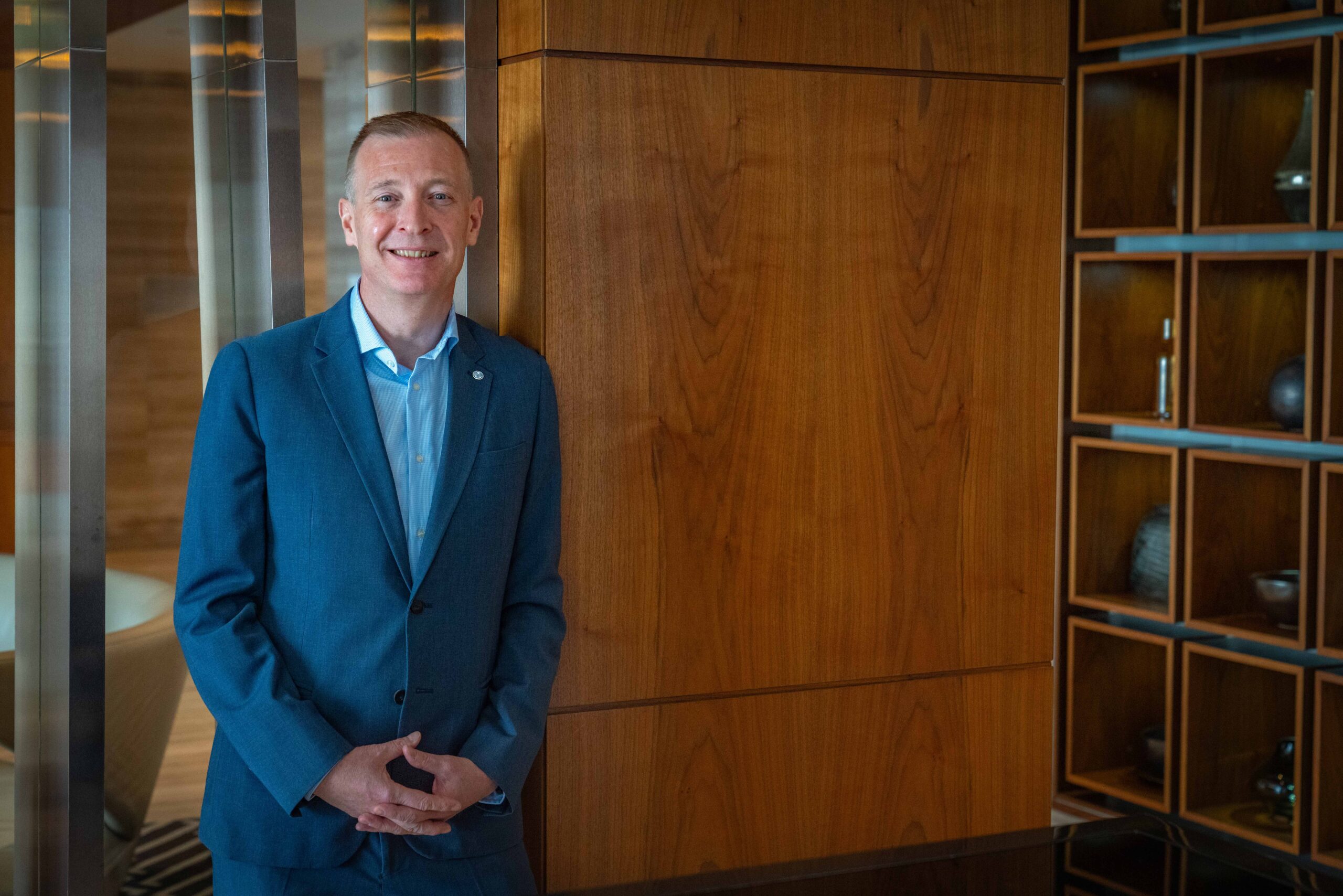
“Guests today expect seamless, mobile-first interactions and personalised journeys,” says Dominic Carr, Chief Information Officer at Rotana. “They want to research, book, and manage their stay quickly, on any device, with recommendations that feel relevant to them. Technology has moved hospitality beyond static websites and transactional bookings—it’s now about anticipating needs, providing inspiration, and building trust at every touchpoint.”
From vision to execution
Carr describes the relaunch as the cornerstone of a multi-year programme to modernise Rotana’s digital backbone. The company plans to migrate its core applications to the cloud within three years, a shift designed to unlock agility, scalability, and stronger security. Behind the scenes, AI and advanced analytics will quietly connect each step of the guest journey—identifying preferences, predicting behaviour, and tailoring offers in real time—while still allowing guests to choose how “digital or human” they want their stay to feel.
This vision, he explains, isn’t about flashy features for their own sake. “At Rotana, our vision is to create a seamless, intuitive, and inspiring guest journey that gracefully blends innovative technology with the personal warmth of human hospitality,” Carr says. “Through the new rotana.com, our upcoming migration to cloud-based applications, and wider digital initiatives, we will provide thoughtful recommendations and loyalty-driven experiences that turn every visit into ‘Treasured Time.’”
The project has been years in the making. Planning began two years ago, and completion is expected within the next three. Delivering a cloud-native, scalable backbone has required meticulous coordination—budgeting, vendor selection, integration, and input from hotel teams across the network. The payoff, Carr notes, is a foundation that unifies operations, provides real-time data access, and enables intelligent automation across departments.
Redefining the booking journey
The redesigned rotana.com is built for today’s mobile traveller. The responsive platform eliminates friction from search to checkout and integrates hotel stays, restaurant reservations, and event bookings in one intuitive interface. High-quality imagery, immersive video, and scrollable content modules bring Rotana’s “Treasured Time” brand promise to life, while significant performance and SEO improvements accelerate load times and boost visibility.
Corporate and event planners benefit too: a new group booking tool lets organisers submit a single request for proposal (RFP) to multiple hotels at once, dramatically simplifying event planning. And in the coming months, an AI-powered conversational chatbot will debut, offering instant information, booking guidance, and live-agent escalation when needed.
Carr emphasises that AI, CRM segmentation, and predictive analytics will be central to Rotana’s future guest experience. “By envisioning the use of guests’ previous stays and behaviours, Rotana aims for AI-driven solutions that anticipate needs before they even emerge,” he explains. “This forward-thinking approach is intended to enable the brand to offer truly personalised recommendations, targeted offers, and dynamic promotions throughout every stage of the guest journey—from booking to in-stay interactions.”
Loyalty beyond points
In hospitality, customer loyalty is more than a metric—it’s a powerful driver of repeat business, brand advocacy, and long-term revenue stability. Winning a guest’s trust can translate into years of bookings and positive word of mouth, making loyalty programmes a strategic priority for leading hotel groups. Reflecting this, Rotana’s loyalty ambitions extend well beyond transactional rewards. Later this year, the group will join the GHA DISCOVERY programme, one of the world’s largest independent hotel loyalty networks. For Carr, the move represents a philosophical shift: “Our aim is to redefine loyalty, shifting focus away from mere points and rewards and instead emphasising genuine, heartfelt connections with our guests,” he says. “Personalisation is at the core of our strategies, this includes using data responsibly to anticipate individual preferences and empower staff to deliver moments of unexpected delight and thoughtful care.”
Building such meaningful connections depends on trust—a principle Rotana considers fundamental to every digital initiative. “Every innovation is underpinned by strict data governance and privacy measures,” Carr adds. “Guests should feel confident that their information is safe, and that any data we use is solely to enhance their experience.”
A competitive landscape
Rotana’s investment in AI-driven, cloud-native architecture comes at a critical moment. Travel demand in the Middle East is rebounding strongly post-pandemic, but competition is fierce: global hotel chains are rolling out their own digital ecosystems, and regional players are experimenting with super-apps and agentic AI to capture market share. The brands that can remove friction, provide meaningful personalisation, and deliver consistent experiences across devices will win guest loyalty.
By unifying its digital touchpoints and modernising its back-end systems, Rotana is betting on speed, reliability, and insight as differentiators. The approach is pragmatic: simplify processes for staff and guests now, while preparing for emerging technologies that could redefine hospitality in the next decade. Carr is already watching predictive analytics and conversational interfaces closely. “AI and conversational technologies will be transformational, but we’re also watching the rise of predictive analytics and integrated digital ecosystems,” he says.
Looking ahead
The redesigned rotana.com is live worldwide in multiple languages and already strengthening the group’s direct booking channel. But Carr is quick to note that the relaunch is a step in a broader journey, not a finish line. As AI matures and guests demand ever more intuitive interactions, Rotana’s digital ecosystem will continue to evolve—linking cloud-enabled operations, intelligent service, and human hospitality in a way that keeps pace with changing expectations.
In an industry where the guest journey is increasingly digital long before check-in, Rotana’s strategy offers a glimpse of hospitality’s future – smart, seamless, personal, and grounded in trust.








Discussion about this post