
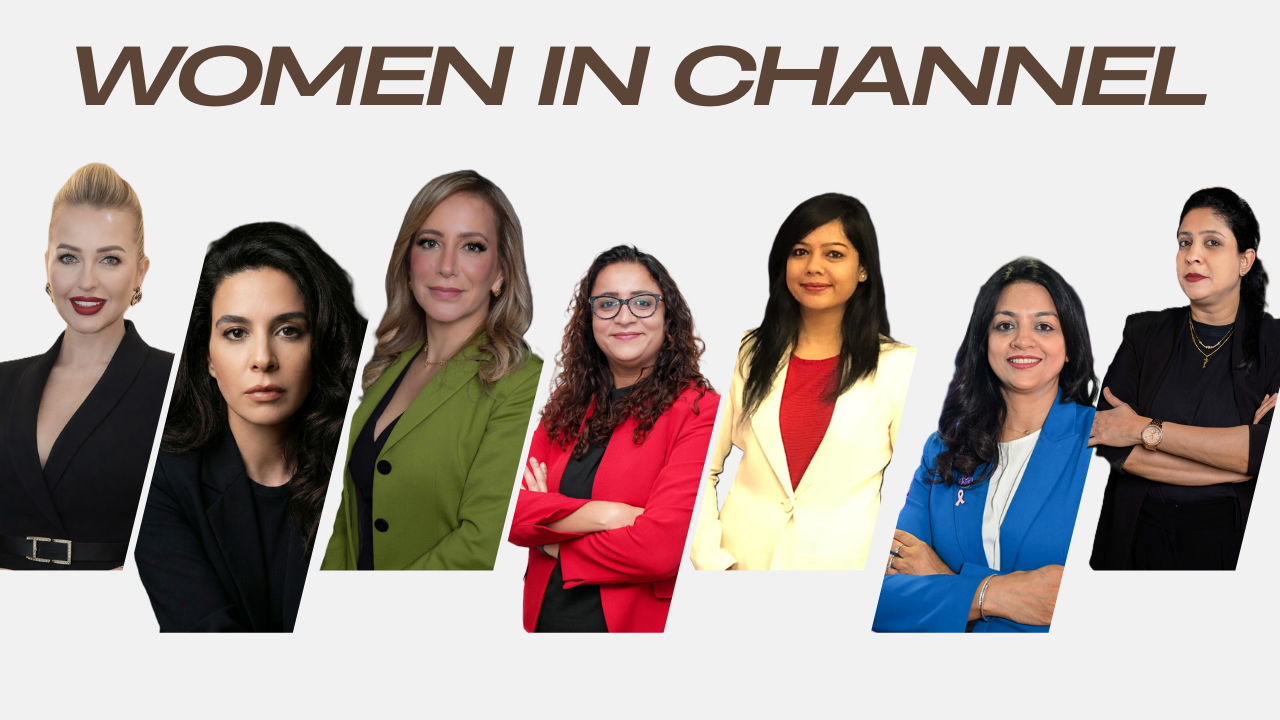
The Middle East’s IT channel is undergoing its most significant transformation in decades. As AI, cybersecurity, and digital infrastructure reshape how technology is bought, sold, and delivered, the region’s channel ecosystem demands a new kind of leadership, one defined by strategic thinking, long-term vision, and the ability to build trust across complex, multi-stakeholder environments. Yet even as the channel evolves, a critical conversation remains unfinished: the role of women within it. From distribution to partner strategy, women are making their mark, breaking through structural barriers, driving innovation, and redefining what channel leadership looks like. Some of the region’s most influential female channel leaders share their perspectives on building resilient ecosystems, what still needs to change, and how women-led innovation is positioning itself at the forefront of the channel’s next chapter.

Anastasia Platon, Director – Regional Channel MEA, emt
Building a resilient channel ecosystem in the Middle East demands clarity, long-term thinking, and disciplined execution. Across the region’s leading channel organisations, a consistent message emerges that sustainable growth comes from structured partner enablement, joint accountability, and measurable performance, not reactive, volume-driven activity.
As AI and cybersecurity reshape partner models, the channel is evolving from traditional distribution toward strategic ecosystem leadership. Partners are increasingly expected to support enterprise transformation, align with national digital agendas, and lead value-based conversations with customers. Technical depth must be matched with commercial ownership for ecosystems to remain competitive and scalable.
On the question of women in the channel, progress is real but uneven. Structural barriers, limited access to revenue-critical roles, informal networks, and outdated perceptions of leadership continue to hold back advancement. Real change requires practical action: executive sponsorship, clear promotion pathways, and ensuring women lead strategic discussions, not simply attend them.
Women-led innovation brings collaborative leadership, ethical grounding, and outcome-driven thinking, qualities that are increasingly essential as the channel grows in complexity.
The next phase of growth in the Middle East will be defined by advisory capability, integrated ecosystems, and diverse leadership. Those who combine commercial strength with technical depth will shape the region’s transformation.
Ghada Ali, Head of Strategic Alliances, Ankabut
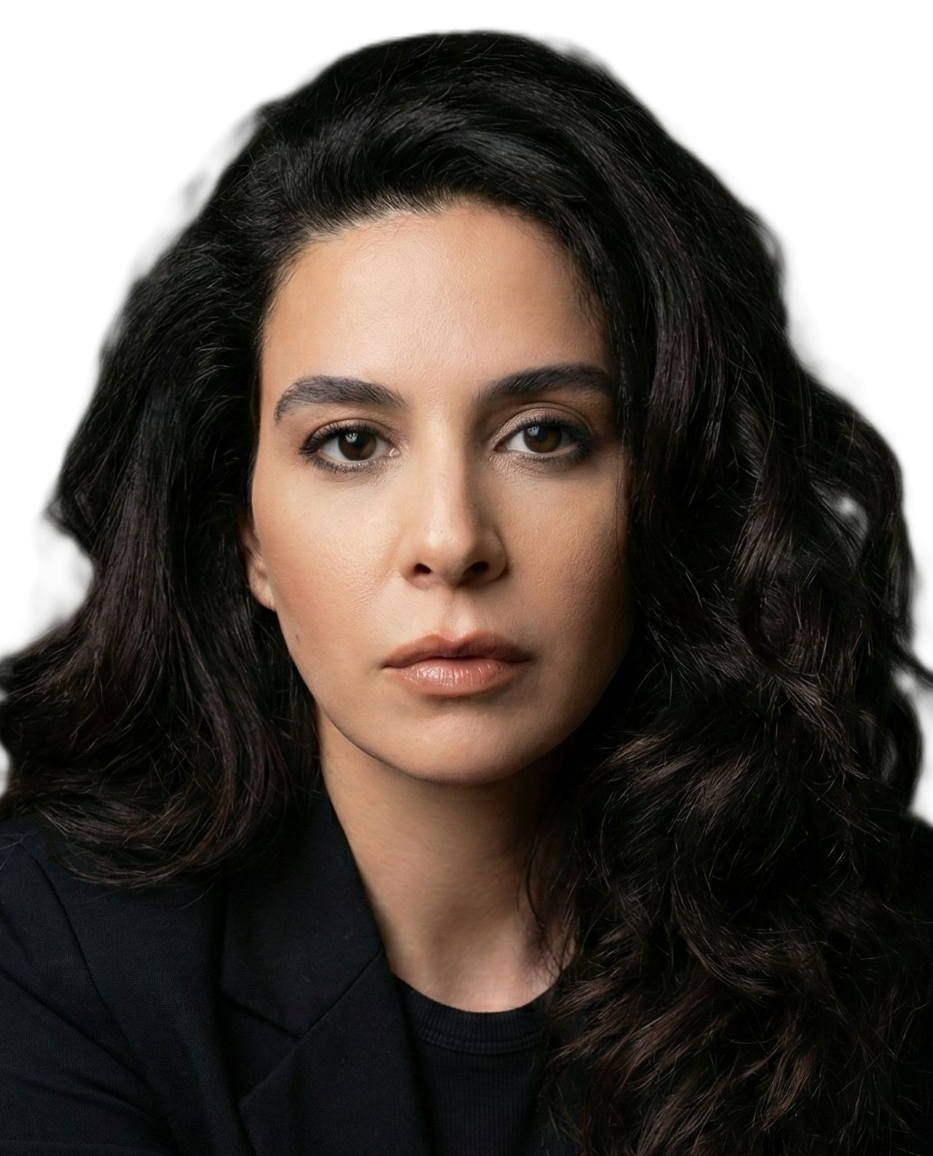
The most critical foundation of a healthy ecosystem is relationships. Strong partnerships flourish through credibility, respect, and trust, and those sincere relationships create the impact that supports long-term success. Once this foundation is established, it must be reinforced with structured processes and governance that ensure accountability, transparency, and scalability. Resilient ecosystems are built on three pillars: people, systems, and strategic alignment, all shaped by a deep understanding of the Middle Eastern business landscape.
The IT industry has traditionally been male dominated, but meaningful progress is taking place. Resilient women overcome structural and cultural barriers through professionalism, credibility, and emotional intelligence. Progress comes from persistence, learning from setbacks, and having the courage to move forward. More women are stepping up and driving change across the ecosystem, creating a culture that captures resilience and fosters growth.
As AI and cybersecurity reshape partner models, authenticity remains essential. These technologies must not be adopted simply because they are trending, they must be integrated responsibly to support modernisation and long-term impact. Women in leadership offer a balanced approach, driving transformation while remaining grounded. When leaders stay genuine and disciplined in navigating change, ecosystems adapt naturally, enabling healthier and more sustainable growth.
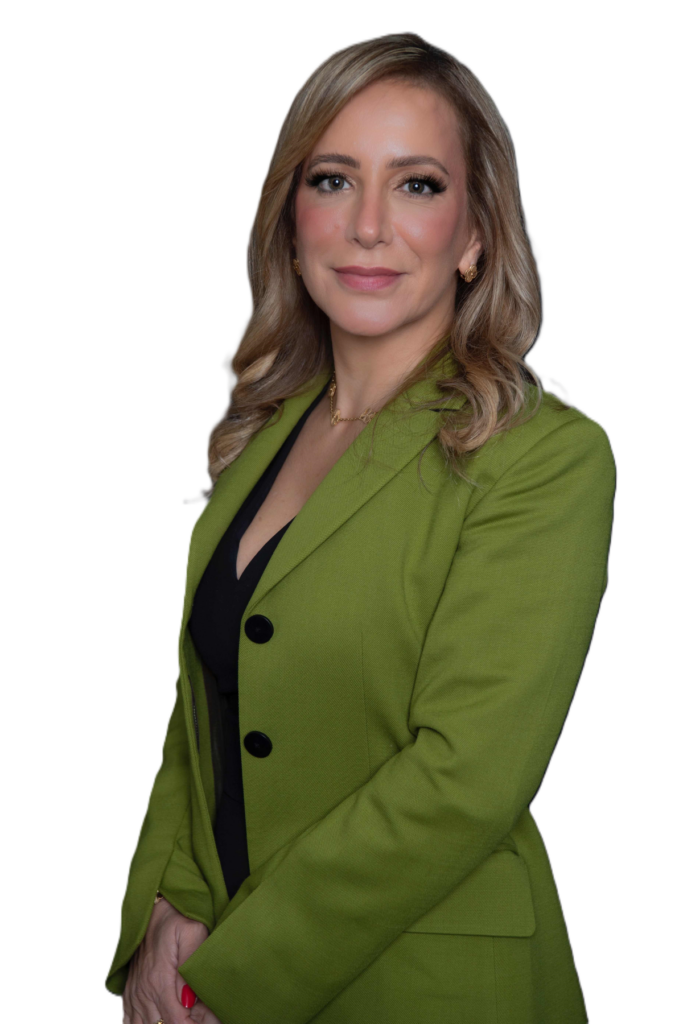
Maya Zakhour, Director of Partner Ecosystem, BeyondTrust
Building a strong channel ecosystem starts with relationships and shared purpose. In the Middle East, partnerships cannot be transactional, they must be built on trust and long-term alignment. My approach centres on three things: clarity, capability, and collaboration. Aligning early on clear goals, investing in real technical and commercial capability within partners, and working closely together to plan, solve challenges, and evolve with market needs. Resilience comes from adaptability, the partners who succeed are those willing to continuously learn and specialise.
Progress on women in the channel is real but incomplete. Women don’t always get early exposure to revenue-focused roles or executive sponsorship, and representation at senior levels still has room to grow. Outdated perceptions of what a successful sales leader looks like persist, yet the channel today demands strategy, collaboration, and ecosystem thinking, not just aggressive selling. Real change requires practical steps: mentoring programmes, clear promotion paths, and ensuring women are part of key discussions.
As AI and cybersecurity reshape how partners operate, women-led innovation brings the balanced, long-term perspective the channel needs. Leaders who prioritise collaboration, ethics, and customer impact will define what comes next. Diverse leadership will ensure the region’s ecosystems are innovative, inclusive, and built to last.
Nehal Sharma, Senior Vice President, Global Product & Alliance, Cloud & Software, Redington
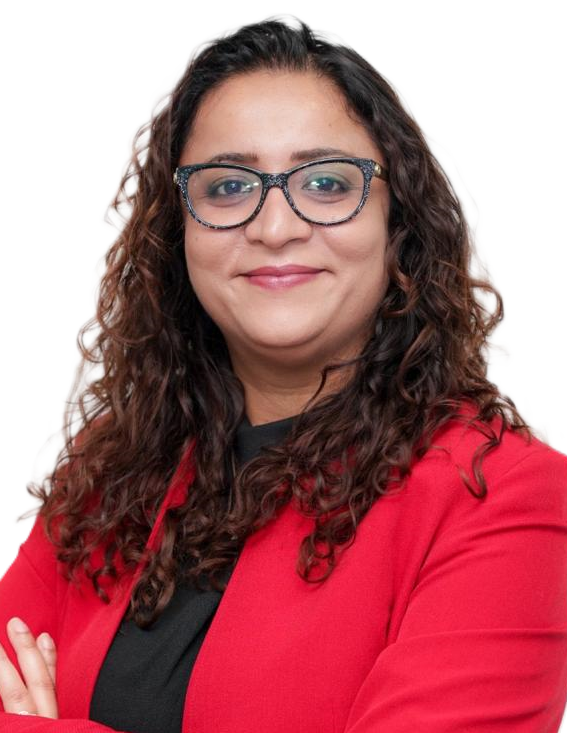
Building a resilient channel ecosystem in the Middle East requires balancing regional nuance with strategic clarity. This is not a homogeneous market, each country operates with different levels of maturity, regulatory frameworks, and partner sophistication.
Long-term capability building, not short-term volume, has always been the priority. That means equipping partners with the tools to evolve their business models, supporting the transition from transactional to recurring revenue, and encouraging specialisation across AI, cybersecurity, and cloud computing. Consistent engagement, leadership presence, and cross-border collaboration have ensured sustained momentum even through market volatility.
The biggest structural barrier remains legacy thinking, transactional models built on product movement and volume-based incentives. Driving change requires structured enablement, leadership alignment, and incentive models that reward long-term value creation. Transformation is achieved through sustained execution, not announcements.
The old partner model is dead. AI is not gradually reshaping channel economics, it is breaking them open. Vision 2030, the UAE’s AI ambitions, and large-scale public sector digitisation are live budgets, not aspirations. Partners repositioning around AI-enabled outcomes now will own the next cycle.
Leadership’s job is to make uncomfortable bets early, building propositions from the ground up, not adapting global templates. The channel leaders who matter will be the ones who forced the transition, not managed it.

Palak Shah, Senior Director – Commercial Sales MEA, Sophos
Building a strong channel ecosystem in the Middle East starts with transparency, clear rules of engagement, and close collaboration. Over 18 years at Sophos, I’ve learned that long-term success comes from a shared mindset of “we win together.” That means setting clear expectations, executing consistently, and supporting partners through outcome-driven coaching and disciplined pipeline management. Continued investment in high-demand areas like MDR and network security keeps partners competitive, relevant, and profitable.
Women in the channel are still too often in support roles rather than in positions that build future senior leaders, owning strategic partner plans, leading negotiations, and shaping high-value alliances. What makes a real difference are practical, accountable actions: sponsorship KPIs rather than mentoring alone, greater visibility through recognition and speaking opportunities, and real ownership in partner QBRs. When women are given genuine access, visibility, and responsibility, leadership in the channel moves from being the exception to becoming the norm.
As AI and cybersecurity redefine partner models, women-led innovation brings an agile, collaborative, and outcome-focused approach that the channel needs. Women leaders combine smarter data-driven decision-making with empathy, trust, and strong relationship-building, helping build ecosystems that are more resilient, customer-centric, and future-ready.
Shaista Ahmed, Director – Channel & Ecosystem MEA, Nutanix
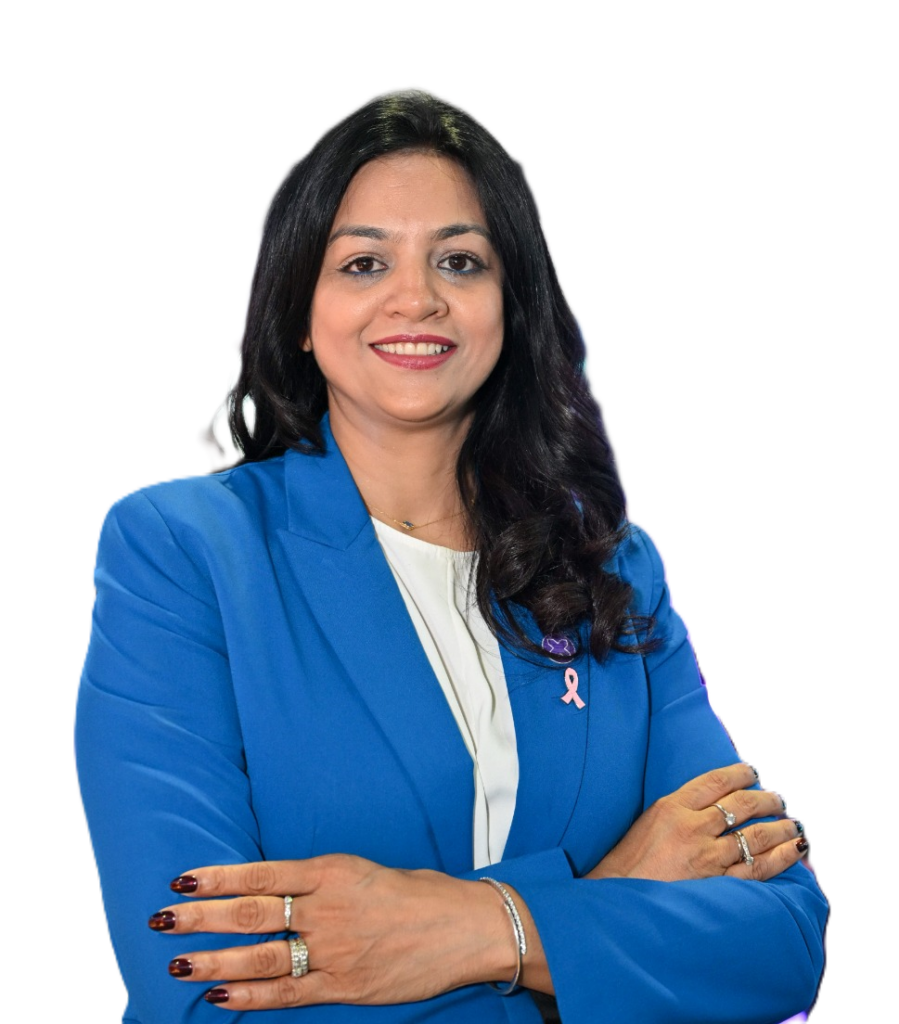
At Nutanix, we prioritise deep technical enablement, advanced certifications, and specialisation across hybrid multicloud, AI-ready infrastructure, and cybersecurity. Structured pathways to Champion and Premier status reward capability over pure revenue, enabling partners to build recurring services, lead AI transformation initiatives, and monetise measurable business outcomes. Our platform-based selling approach, supported by more than 1,700 technology alliances, enables partners to address the entire IT stack, positioning them as trusted advisors who strengthen customer relationships and retain long-term mindshare.
Women in channel sales and distribution still face both structural and cultural barriers, limited access to career-defining roles, sponsorship, and specialised training, compounded by persistent stereotypes and a lack of visible female role models. Progress is being made through formal mentorship and sponsorship programmes, transparent career paths, flexible work arrangements, and leadership accountability for DEI metrics. At Nutanix, we have multiple initiatives to engage and empower women across our partner and distribution community.
As AI and cybersecurity reshape channel ecosystems, women-led innovation is uniquely positioned to drive the next phase of growth. By bringing diverse perspectives, ethical grounding, and collaborative leadership, women innovators ensure AI solutions and cybersecurity programmes are practical, scalable, and inclusive, helping shape regional channels that are sustainable, responsible, and built to last.
Uzma Yusuff, Senior Field & Channel Marketing Manager, SentinelOne
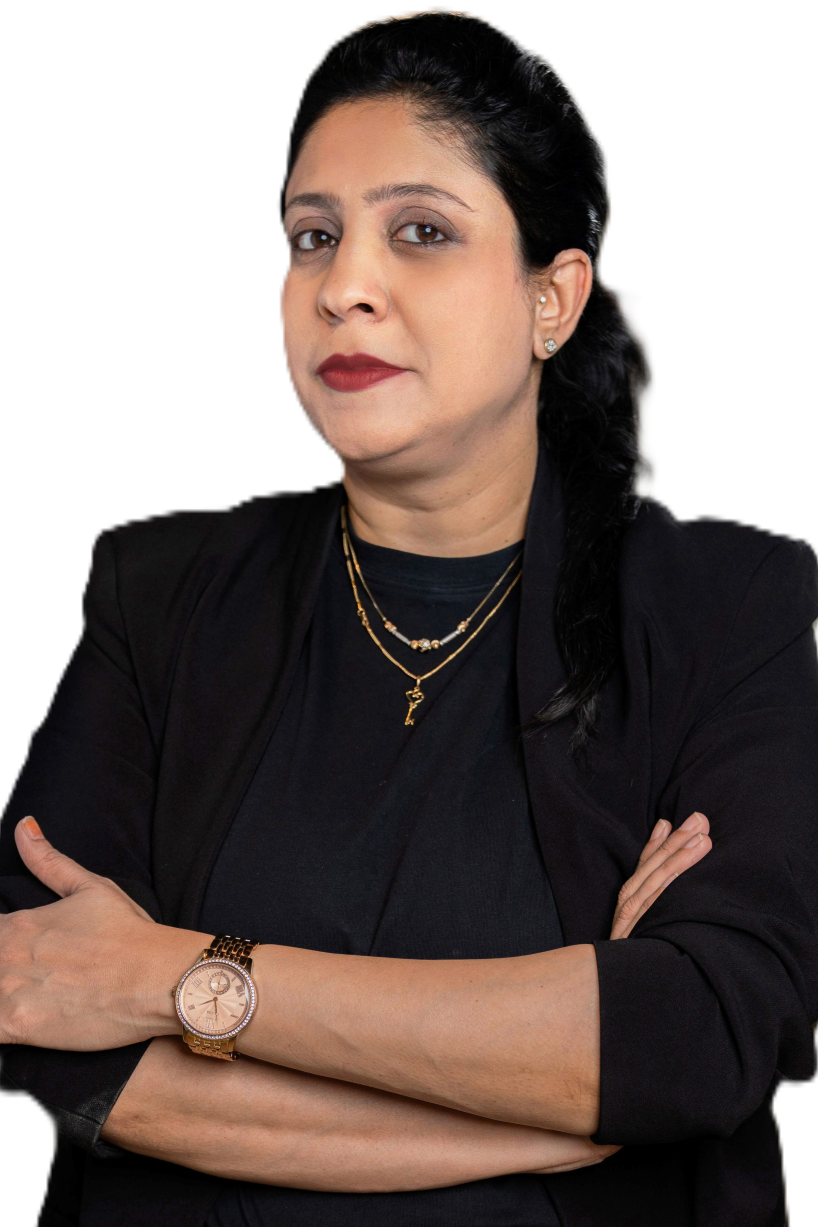
Building high-performance channel ecosystems in the Middle East requires strategic frameworks over short-term opportunities. Partner enablement goes beyond technical training, it equips partners with the skills to lead digital transformation, positioning them as multipliers who drive local innovation and expand specialised services. With a collaborative, data-driven approach, we prioritise long-term customer success and a structured transition toward managed services, enabling consistent growth and keeping the channel agile and responsive to evolving market needs.
Significant structural and cultural barriers persist within the IT channel. The “Authority Paradox” funnels women into marketing or HR roles rather than high-stakes technical and strategic positions. The networking gap restricts access to informal, career-defining conversations. Cultural caregiving norms place a disproportionate burden on women, requiring them to work harder to demonstrate the same level of commitment. Executive sponsorship, flexible frameworks, and clear accountability can ensure leadership is defined by innovation rather than gender.
As AI and cybersecurity redefine partner models, women-led innovation is driving the next phase of growth, ensuring digital transformation remains transparent, trustworthy, and human-centric. By applying collaborative co-opetition, women-led initiatives create more interconnected ecosystems where partners share insights to solve complex challenges together, making the channel more resilient and future-ready.






Discussion about this post