
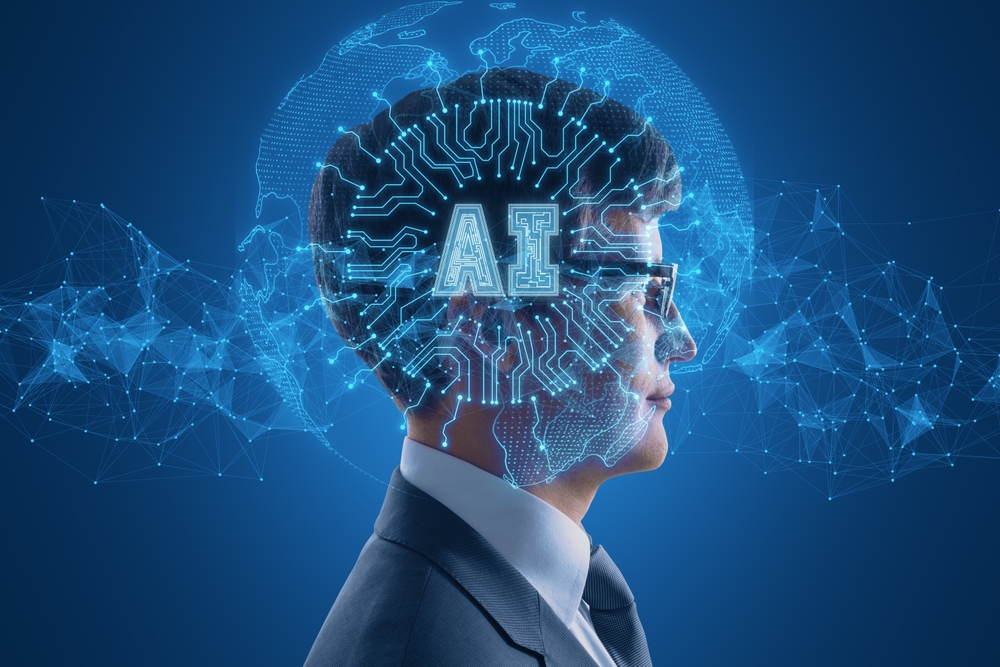
New global research from Dataiku, conducted by Harris Poll, reveals that Artificial Intelligence (AI) has become a defining test of CEO success, tenure, and legacy. Nowhere is this shift more pronounced than in the UAE, where CEOs increasingly believe their future in the role will be determined by their ability to deliver measurable, defensible outcomes from AI.
The findings from the 2026 edition of Dataiku’s CEO Confessions Study, show that 79% of UAE CEOs believe their role is at risk if their organisation fails to deliver tangible business gains from AI by the end of 2026. More than half (53%) say experience leading a successful AI strategy will soon (within 2 years) become the top criterion boards use when appointing a new CEO, underscoring how quickly AI is reshaping leadership expectations.
The pressure is also personal. The UAE ranks highest globally for the proportion of CEOs (23%) who believe the way their organisation is using AI today could jeopardise their long-term legacy, more than double the global average. Together, these findings highlight that AI is no longer a strategic initiative CEOs oversee, but a responsibility they must own.
As a result, UAE CEOs are taking a more direct role in shaping AI strategy. Three-quarters (75%) say their involvement in AI-related decisions has increased over the past year, and more than half (55%) identify themselves as the single most influential stakeholder in determining their organisation’s AI direction, well ahead of IT, data, or business leaders.
This growing ownership comes amid rising expectations from boards and investors. Nearly six in ten (59%) CEOs, across the Emirates, say they feel board pressure to deliver measurable AI outcomes, and arguably more interestingly, 90% believe these expectations are realistic. At the same time, 76% say AI strategy and execution are important to investors, and three-quarters (75%) believe CEOs could be removed from their role in 2026 due to a failed AI strategy or a high-profile AI-driven crisis.
Yet despite this urgency, many organisations are proceeding cautiously. While UAE CEOs face mounting pressure to deliver results, 44% say their organisations have delayed or cancelled AI initiatives due to concerns about potential failure. This tension between speed and risk highlights the increasingly narrow path CEOs must navigate.
The research also reveals a gap between confidence and capability in AI governance. While 73% of UAE CEOs say they trust their governance frameworks, even if their job were on the line, the UAE ranks lowest globally in confidence in explaining AI-driven decisions to regulators or courts. At the same time, 41% say they have not challenged AI vendor or platform decisions made within their organisation over the past year.
“Every enterprise now has access to powerful AI. The differentiator is whether they can turn that power into reliable business decisions,” said Florian Douetteau, CEO and co-founder of Dataiku. “That is the cognitive dissonance happening in the C-suite right now: CEOs are staking their jobs on AI, but still questioning its outputs and struggling to control the systems they say they own. The companies that close that gap will be the ones building AI worth being accountable for. That is what separates a bet from a business.”
This need for stronger governance is further underscored by broader concerns about risk and resilience. More than four in ten (43%) UAE CEOs say their organisation would face significant risk if the “AI bubble” were to burst, highlighting the importance of building flexibility alongside performance.
“The CEOs who succeed are those who treat governance as an accelerator, not a constraint,” said Sid Bhatia, Area Vice President & General Manager – Middle East, Turkey & Africa at Dataiku. “Organisations need the flexibility to adapt quickly, whether that means evolving models, changing vendors, or responding to new regulations without starting from scratch. Ultimately, this research suggests that in an environment where AI outcomes must be proven, explained, and defended, governance is becoming the foundation for both trust and long-term value.”







Discussion about this post