
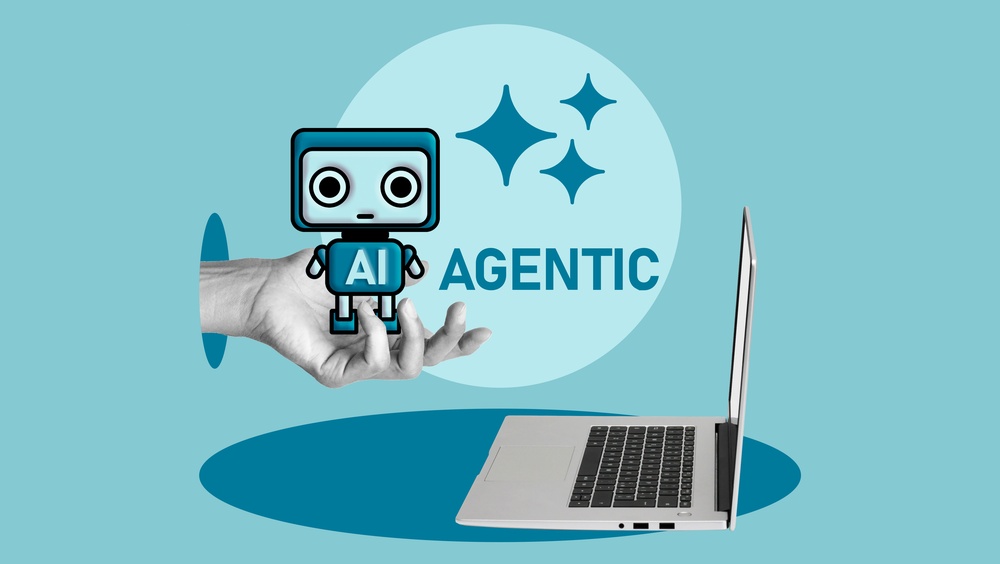
As enterprise AI initiatives evolve, organisations in the GCC are under increasing pressure to move faster, prove value sooner, and make outputs usable inside real operating workflows. Recent research shows that 84% of organisations in the region are already using AI, yet only 11% are achieving measurable business value at scale, highlighting a growing gap between adoption and impact. At the same time, they must navigate tighter data residency rules, shifting policy expectations, and more fragmented deployment environments, while ensuring that the data behind AI is reliable enough to support decisions and action.
Qlik is addressing these challenges with a unified set of innovations spanning analytics, data engineering, trust, and sovereignty, helping organisations operate AI with greater speed, reliability, and control.
At the core of the this is Qlik’s expanded agentic analytics experience. New capabilities across Qlik Answers, Discovery Agent, Predict Agent, and Automate Agent help teams move from signal to action in one governed flow. By combining structured analytics and unstructured content, Qlik enables users to understand what is likely to happen, why it matters, and how best to respond, supporting faster and more informed decisions.
To support this, Qlik is advancing trust in data. New capabilities centred on data products introduce Qlik Trust Score, contracts, service levels, alerting, and anomaly detection, giving teams clearer signals about whether data is ready to be used. This helps organisations monitor, govern, and improve the data products that feed analytics and AI, reducing risk as AI moves deeper into workflows.
Qlik is also extending its agentic approach into data engineering. Capabilities such as declarative pipelines, real-time routing, and streaming are designed to reduce friction in how pipelines are built, changed, and operated and help teams deliver trusted data faster as demand for AI-ready data continues to rise.
Overlaying these innovations is the Qlik AI Sovereignty Initiative, which helps organisations operate analytics and AI with stronger control over data location, governance, and architectural choice. With expanded regional deployments and compliance progress, Qlik provides a more practical path for operating AI in environments where location, control, and adaptability matter as much as model performance.
“The bar for enterprise AI is getting much higher,” said Mike Capone, CEO, Qlik. “It is not enough to produce a fluent answer. AI has to understand the business in context, run on a trusted foundation, and connect insight to action in the systems teams already use. That is how organisations create value without adding more fragility, lock-in, or spend. Similarly, data products need the same accountability as any other production asset, with clear signals for what humans and AI can safely rely on, allowing enterprises to scale AI without scaling risk.”
With the economic impact of GenAI in the GCC projected to reach $23.5 billion annually by 2030, these innovations create a more complete approach to enterprise AI in the region, connecting data, insight, and action while maintaining the trust and control required to scale.








Discussion about this post