
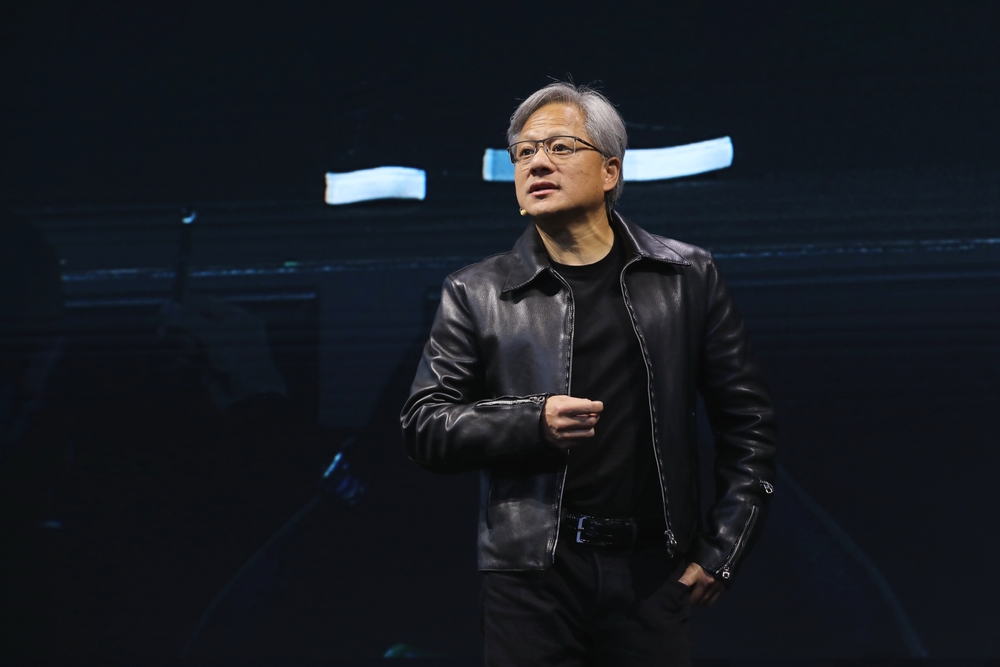
Nvidia’s board has ruled out reinstating co-founder Jensen Huang as chief executive following his resignation amid revelations of multiple extramarital relationships, including one involving a businesswoman suspected of links to Chinese intelligence, and growing scrutiny over the company’s compliance with US export controls.
Nvidia chairman Harvey Jones confirmed on 17 November that the board had unanimously accepted Huang’s resignation and did not intend to reinstate him, despite the former CEO expressing his willingness to return.
Huang, who co-founded Nvidia in 1993 and led its rise as a leading supplier of AI computing chips, resigned on 12 November following disclosures of personal conduct that the company described as inconsistent with its code of conduct, standards and corporate culture.
The decision comes after reports of three extramarital relationships involving Huang, including one with Alice Huang, a Chinese businesswoman and former executive at Singapore-based cloud computing company Megaspeed International, whose suspected links to Chinese intelligence are reportedly under investigation by US authorities.
Another reported relationship involved Kimberly Powell, Nvidia’s vice-president of healthcare, who reported directly to Huang. Subsequent reports, citing people familiar with the matter, revealed a third alleged relationship involving another Nvidia employee whose identity has not been publicly disclosed. Nvidia and the individuals involved have not publicly commented on all the allegations.
Huang publicly acknowledged an extramarital affair in a statement on 8 November without identifying the woman involved. He subsequently admitted making serious mistakes in his personal life and indicated that he would be willing to return to Nvidia if the board considered it in the company’s best interests.
The controversy has extended beyond questions of executive conduct to potential national security implications, particularly concerning Huang’s reported relationship with Alice Huang.
Megaspeed International has come under investigation over allegations that restricted Nvidia AI chips were illegally diverted to Chinese companies, potentially circumventing US export controls on advanced semiconductor technology. According to reports, US authorities are also examining whether Alice Huang had connections to China’s Ministry of State Security and whether Jensen Huang may have been targeted as part of a foreign intelligence operation.
However, there has been no established finding that Huang knowingly facilitated illegal chip transfers, disclosed sensitive company information or participated in espionage. Nvidia has previously stated that it had no reason to believe company secrets or national security had been compromised.
The allegations have nevertheless intensified scrutiny of Nvidia’s corporate governance and its oversight of potential conflicts of interest, particularly given the company’s strategic position in the global AI infrastructure industry.
The developments have also drawn attention from US lawmakers. According to reports, Huang has agreed to appear before congressional committees on 1 December, while Nvidia’s general counsel, Tim Teter, is scheduled to be questioned on 2 December. The inquiries are expected to examine Nvidia’s handling of advanced chip exports and the circumstances surrounding its business relationships.
Nvidia has established a board committee to oversee national security and export-control compliance, as Washington considers tighter restrictions on China’s access to advanced AI technologies.
Meanwhile, the company has appointed chief financial officer Colette Kress as interim CEO while it conducts a search for Huang’s permanent successor. The board is considering both internal and external candidates.
Despite the leadership turmoil, Nvidia reported third-quarter revenue of approximately $116 billion, double the figure recorded a year earlier, driven by continued demand for AI infrastructure. Data centre revenue reached $107.6 billion, while the company forecast approximately $130 billion in revenue for the current quarter.
With Huang’s reinstatement ruled out, Nvidia faces the challenge of navigating a significant leadership transition while addressing regulatory scrutiny and maintaining investor and customer confidence in its AI infrastructure business.








Discussion about this post